
Winning the War Against Marine Corrosion
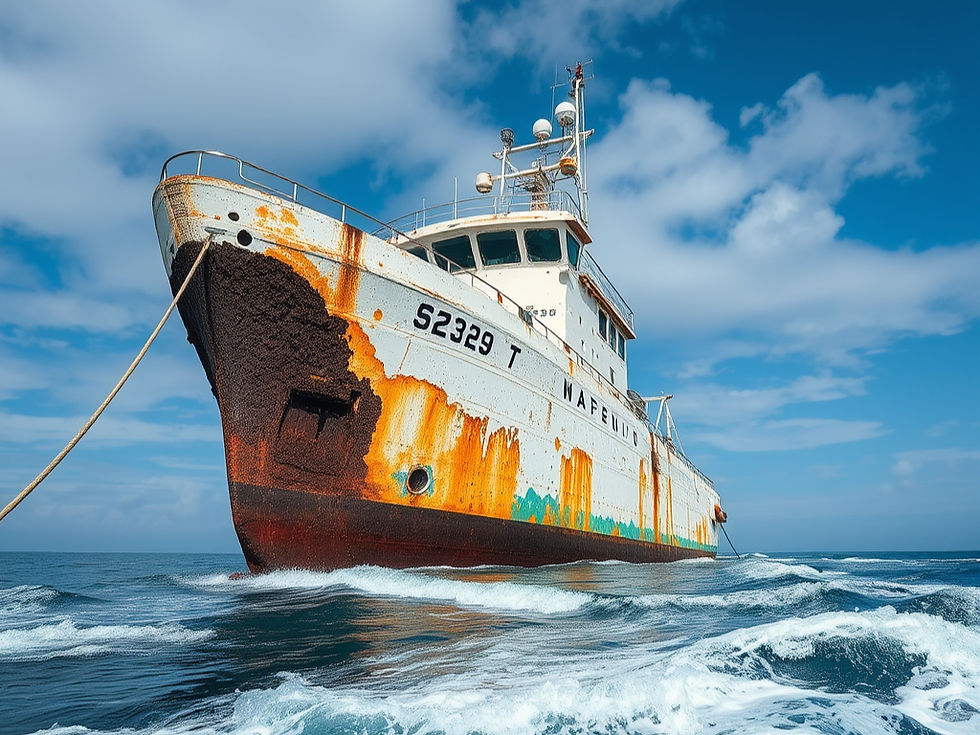
If you spend enough time around the water, you quickly learn one undeniable fact: the ocean tries to reclaim everything you put into it. Saltwater is a harsh, unforgiving environment that constantly attacks metal components. Left unchecked, this natural process degrades hull integrity, destroys vital machinery, and drains your maintenance budget.
Understanding how to fight this relentless enemy is critical for anyone managing or operating marine vessels. Corrosion prevention is not just a seasonal chore; it is a fundamental pillar of vessel repair and maintenance that ensures safety and longevity.
In this guide, we explore the unique challenges posed by saltwater environments, dive into the latest advancements in anti-corrosion technology, and share actionable strategies you can use to protect your maritime investment.
The Saltwater Challenge: Why Corrosion Never Sleeps
To defeat the enemy, you have to understand how it works. Marine corrosion is an electrochemical process. When you place metal into an electrolyte—like saltwater—it triggers a reaction that slowly degrades the material. The high salt content in ocean water makes it an incredibly conductive environment, accelerating the rate at which rust and degradation occur.
The most common and destructive form of this process on boats is galvanic corrosion. This happens when two different metals come into contact while submerged in saltwater. The water acts as a bridge, allowing electrons to flow from the more active metal to the less active one. The active metal rapidly deteriorates, which can lead to catastrophic failures in propellers, shafts, and through-hull fittings.
Even when vessels sit idle at the dock, the microscopic battle continues. High humidity, sea spray, and fluctuating temperatures create the perfect storm for oxidation. Ignoring these environmental factors leads to structural weakness, compromised safety, and incredibly expensive repair bills down the line.
The Hidden Costs of Ignoring Marine Corrosion
Many owners view advanced corrosion prevention as an unnecessary expense—until they receive their first major repair bill. The costs of neglecting this issue stretch far beyond simple cosmetic damage.
When rust compromises a hull's thickness, the vessel loses its structural integrity. This puts the crew, the cargo, and the vessel itself at immense risk. Furthermore, corroded engine components and cooling systems operate inefficiently, leading to increased fuel consumption and poor performance.
Eventually, neglected corrosion requires dry-docking the vessel for massive overhauls, including cutting out and welding new steel plates. The downtime associated with these repairs means lost revenue for commercial operators and lost seasons for private owners. Investing in prevention directly protects your bottom line.
Latest Advancements in Anti-Corrosion Technology
The marine repair industry has made massive strides in recent years. We are no longer relying solely on basic paint to keep the ocean at bay. Engineers and chemists are developing innovative solutions that offer unprecedented protection against the elements.
High-Performance Nanocoatings and Graphene
Traditional marine paints act as a simple barrier between the metal and the water. However, the newest generation of coatings works on a microscopic level. Nanocoatings penetrate the tiny pores of metal surfaces, creating an exceptionally tight seal that moisture cannot breach.
Graphene-infused coatings are also revolutionizing marine repair. Graphene is incredibly strong, highly flexible, and completely impermeable to water and oxygen. When added to marine paints, it creates an ultra-durable shield that dramatically extends the lifespan of the coating and significantly reduces the frequency of repainting.
Impressed Current Cathodic Protection (ICCP) Systems
While sacrificial anodes have been standard practice for decades, large vessels and modern fleets are increasingly turning to Impressed Current Cathodic Protection (ICCP) systems. Instead of using a piece of metal that slowly dissolves, an ICCP system uses a power source to deliver a continuous, calculated electrical current to the hull.
This precise current neutralizes the galvanic corrosion process entirely. Modern ICCP systems use smart sensors to constantly monitor the water conditions and adjust the electrical output automatically, ensuring optimal protection regardless of salinity or temperature changes.
Drone Inspections and Ultrasonic Testing
You cannot prevent what you cannot see. Advanced diagnostics now play a massive role in corrosion prevention. Marine repair yards use drones equipped with high-resolution cameras to inspect hard-to-reach areas of massive hulls.
Coupled with Ultrasonic Thickness Measurement (UTM) devices, inspectors can gauge the exact thickness of a metal plate without drilling holes or removing paint. This allows operators to identify microscopic thinning and internal corrosion long before it becomes visible to the naked eye.
Practical Tips for Vessel Owners to Protect Their Investment
You do not need to manage a massive commercial fleet to take advantage of good corrosion prevention practices. Whether you own a small workboat or a mid-sized passenger vessel, these actionable steps will help you protect your asset.
Stick to a Strict Washdown Routine
The easiest and most cost-effective way to fight salt is with fresh water. Make it a strict policy to thoroughly wash down your vessel after every outing. Pay special attention to hidden crevices, hardware, and rigging where salt crystals tend to accumulate. Removing the electrolyte breaks the chain reaction of corrosion.
Monitor and Replace Sacrificial Anodes
Sacrificial anodes—commonly made of zinc, aluminum, or magnesium—are designed to destroy themselves so your valuable boat parts do not have to. However, they only work if they are actually there.
Inspect your anodes regularly. A good rule of thumb is to replace them when they are half depleted. Never paint over an anode, as this insulates it and completely ruins its ability to attract the corrosive electrical currents.
Address Scratches and Dings Immediately
A tiny scratch in your hull's protective coating is an open door for saltwater. Once water breaches the barrier, corrosion can spread beneath the paint, causing massive flaking and structural damage. Keep touch-up paint onboard and seal any chips, scratches, or dings as soon as you notice them.
Control Moisture Below Deck
Corrosion does not just happen on the outside of the hull. Bilges and engine rooms are notorious breeding grounds for rust due to trapped moisture and poor ventilation. Keep your bilges clean and dry. Install proper ventilation systems and use dehumidifiers if your vessel sits closed up for extended periods. Protect exposed engine parts with high-quality marine corrosion inhibitor sprays.
Keep Your Vessel Safe and Seaworthy
The battle against marine corrosion requires constant vigilance, but it is a fight you can win. By understanding the science behind saltwater degradation, embracing new protective technologies, and maintaining a strict defensive routine, you can keep your vessel operating safely for decades.
Do not wait for rust to appear before taking action. Review your current maintenance schedule this week, check your anodes, and consider upgrading to high-performance coatings during your next scheduled haul-out. Your vessel—and your wallet—will thank you.


Comments